Black LGBTQ+ Stars Who Changed What Hollywood Was Willing To Show
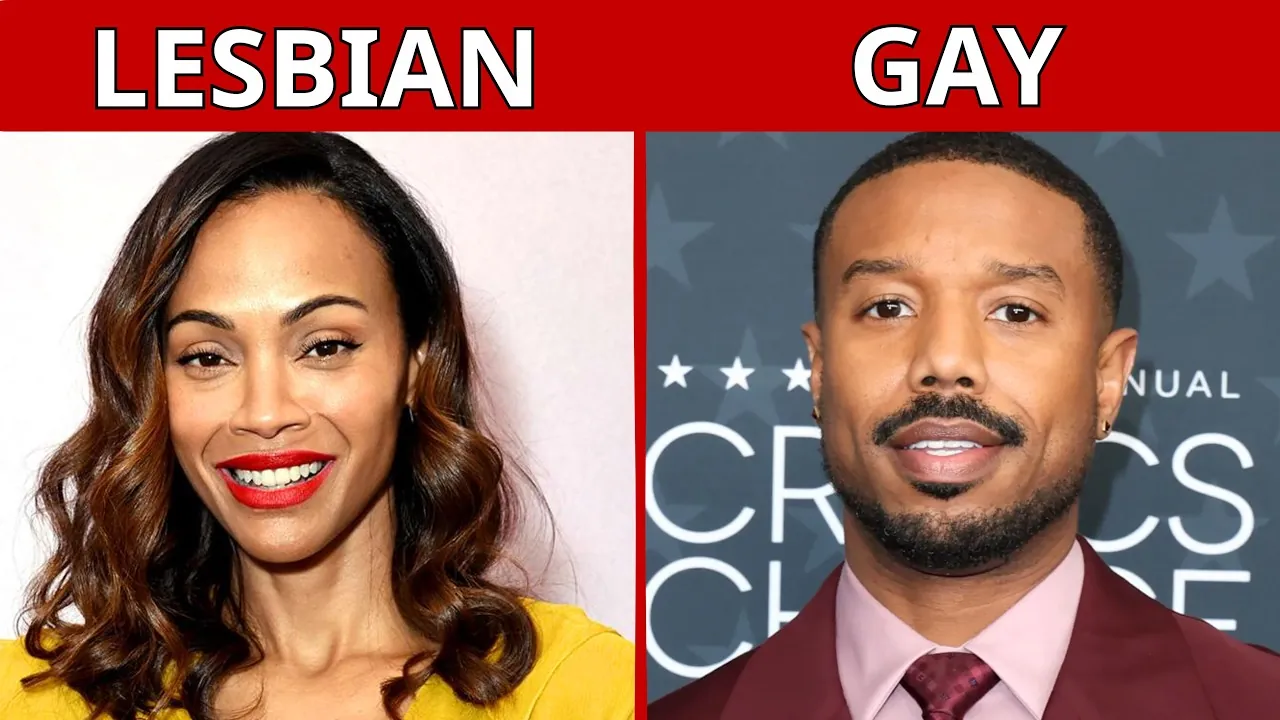
The people in this collection were navigating two separate sets of closed doors at once, and the industry had no interest in acknowledging either. That they built careers anyway is the substance of the story.
Black GAY and LESBIAN Stars In Hollywood Revealed · Watch on YouTube · 16:40 · 83.4K views
They Were Navigating Two Sets Of Closed Doors At The Same Time
For decades, being Black in Hollywood meant a narrow and heavily stereotyped range of available parts. Being openly LGBTQ+ meant an even narrower one.
The intersection of the two was, for a long time, treated by the studio system as simply unemployable.
The Cultural Influence Ran Inward From The Margins, Not Outward
Many of the figures here built their work entirely outside the mainstream industry, and that is where the cultural influence originated.
Theatre, independent film, music, and the ballroom and club scenes produced an enormous amount of the vocabulary that mainstream culture later helped itself to without credit. The direction of travel was inward from the margins, not outward from the centre.
- Theatre and independent film. Where the roles existed when studios offered none.
- Music. A parallel career route with different gatekeepers.
- Ballroom and club culture. A source of language, movement and style that mainstream media absorbed wholesale.
Recognition Arrived Late
When institutional recognition finally came, it came late and frequently posthumously. Several figures now cited as foundational spent their working lives without support of any kind, and the industry's current enthusiasm for their legacy sits awkwardly against its behaviour at the time.
Recognition Arrived Late And Frequently After They Had Died
One of the longest videos on the channel. The rest of the section is in Pride in Hollywood.
Frequently Asked Questions
Why did so many of these performers work outside the studio system?
What does 'the influence ran inward' mean?
Why did recognition come so late?
The Bottom Line
A collection about people who built careers where the industry had left no room. Watch above, then browse the rest of the Pride in Hollywood section.
More from Vintage Stars
Then and Now collections of the actors, actresses and singers who defined classic Hollywood.