50 Hollywood Actors Who Spoke Publicly About Their Own Lives

For most of the twentieth century, the professional advice given to LGBTQ+ actors was unambiguous: say nothing, ever. This collection covers fifty performers who have spoken publicly about their own identities, spanning classic-era film through to current television. Below is the industry history that made those decisions so consequential.
50 REAL GAY And LESBIAN Hollywood Actors You Never Knew About! · Watch on YouTube · 8:20 · 770.4K views
One Industry Rule Went Unquestioned For Roughly Seventy Years
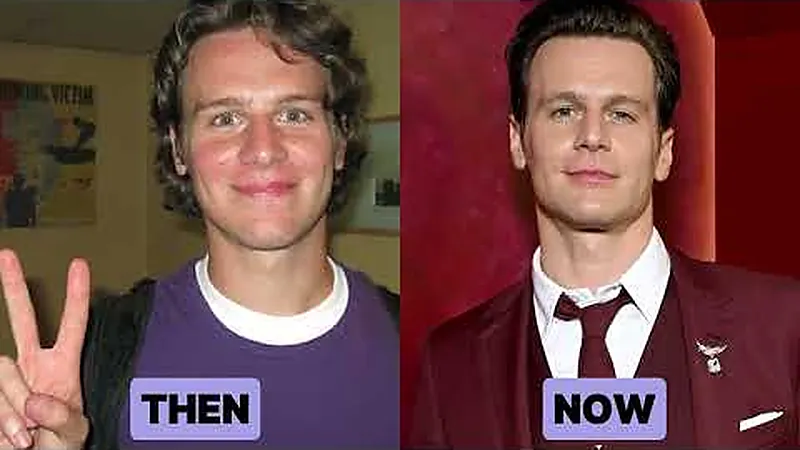
Studios believed audiences would not accept a romantic lead whose private life contradicted the part. That belief was never tested; it was simply assumed, and it operated as fact for roughly seventy years.
Two mechanisms enforced it:
- The Production Code. From 1934 it explicitly barred sympathetic depiction of what it called sexual perversion, which removed the subject from screens entirely.
- Studio contracts. These routinely gave employers control over a performer's private life, including publicised relationships.
How Completely Wrong That Commercial Reasoning Turned Out To Be
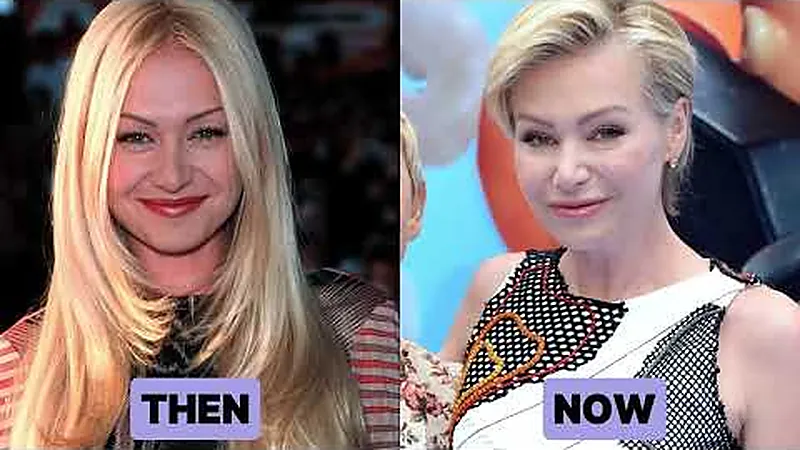
Looking back, the striking thing is how comprehensively the commercial reasoning failed - and how long it took anyone to find out.
The performers who spoke publicly, particularly before the nineties, were told without exception that they had ended their careers. Some had. Many did not, and each one who survived made the next person's decision fractionally less dangerous.
Two Very Different Kinds of Courage
The range of experience in this collection is wide. Some spoke in their twenties and built entire careers openly. Others said nothing until they were seventy and had very little left to lose. Both were, in their own context, difficult decisions.
Why This Collection Only Covers People Who Spoke For Themselves

A great deal of content in this genre is not careful about the distinction between documenting what someone has said and speculating about what they have not. Only the first is history.
Everything in this collection and the rest of the Pride in Hollywood section falls into the first category.
Frequently Asked Questions
What was the Production Code?
Did speaking publicly actually damage careers?
How does the channel decide who to include?
The Bottom Line
Fifty performers, spanning classic film to current television, and a good illustration of how quickly an industry consensus can collapse once it is tested. Watch above, then see the larger 305-name collection.
More from Vintage Stars
Then and Now collections of the actors, actresses and singers who defined classic Hollywood.